History, evidence appraisal and risks of restrictions and enemas.
What the method proposed
Max Gerson’s twentieth-century method combines a highly restrictive diet, juices, supplements and supposed detoxification procedures, including coffee enemas. It was based on the hypothesis that modifying metabolism, sodium and potassium could counter cancer. This historical account is neither an established explanation of the disease nor a recommendation.
The previous page listed permitted, occasional and forbidden foods. It included fruit, vegetables, juices and some grains, with severe restrictions on protein, fat, salt and many ordinary products. Depending on the formulation, even foods compatible with a varied diet, such as pulses, nuts or olive oil, were excluded. These categories reflect the method’s doctrine, not evidence that those foods promote melanoma.
We do not reproduce doses or a timetable to follow, because that would turn critical information into instructions for a potentially harmful practice. Instead, the historical context, images and analysis of the components are retained, explaining why a food list cannot replace oncology nutritional assessment.
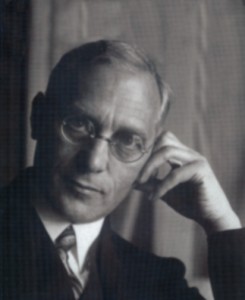
Sources: NCI — Gerson Therapy (PDQ), archived reference, 2015; Cancer Research UK — Gerson therapy.
What the evidence does and does not show
Reliable clinical evidence does not show that Gerson therapy cures melanoma or improves survival. Testimonials and retrospective comparisons with historical groups cannot isolate a dietary effect: stage, treatment, patient selection and observation time may differ. Improvement in someone also receiving oncology treatment does not prove that the method caused the benefit.
The National Cancer Institute retains a PDQ Gerson summary as a historical reference and states that it is no longer updated because adequate new research is lacking. Consulting it in 2026 does not turn the 2015 document into a new trial. Cancer Research UK also provides a critical appraisal. Description by an authoritative organisation does not imply endorsement.
Vegetables can form part of healthy eating, but this does not establish the effectiveness of an entire protocol. A food’s nutritional value must be separated from the therapeutic claims of a programme containing it. The word “natural” cannot replace controlled evidence and assessment of harm.
Sources: NCI — Gerson Therapy (PDQ), archived reference, 2015; Cancer Research UK — Gerson therapy.
Risks and supportive alternatives
Severe restrictions may promote weight loss, inadequate protein intake and nutritional imbalance precisely when recovery is needed. Large quantities of juice do not automatically replace balanced meals or water. Supplements and electrolyte manipulation can be problematic with kidney conditions or medicines.
Enemas, especially repeated procedures or inappropriate substances, can cause injury, infection, dehydration and electrolyte disturbances. They are not a proven way to remove “cancer toxins”. Programme costs, time demands and delays to effective treatment are additional potential harms.
If you already follow the method, discuss it openly with the oncologist and dietitian, bringing product details and a description of practices. Significant symptoms after enemas, inability to drink, marked weakness or confusion require urgent assessment. Nutritional support, nausea and pain management and psychological help can meet the need to take practical action without relying on unproven promises. Experimental anticancer treatments belong in authorised clinical trials with consent and monitoring.

Sources: Cancer Research UK — Gerson therapy; NCI — Nutrition in Cancer Care (PDQ).
Discussing it without feeling judged
Wanting some control during illness is understandable. Discussion protects both health and autonomy: explaining what you hope to achieve, which symptoms are hardest and what you are spending can reveal practical alternatives. Listening respectfully and applying rigorous evidence are both necessary for an informed decision.
Sources: Cancer Research UK — Gerson therapy.
Editorial review and source consultation: 17 October 2026. Educational information, not individual healthcare or benefits advice. Source checking does not certify a new specialist clinical validation.