A rare predisposition requiring clinical genetics and individualised surveillance.
A rare syndrome, not a count of 200,000 cases
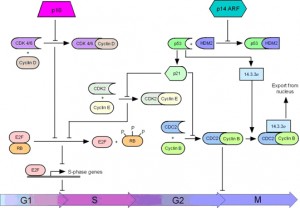
Melanoma–astrocytoma syndrome describes families in which susceptibility to melanoma and nervous system tumours, particularly gliomas or astrocytomas, may occur together. It falls within some CDKN2A-related predisposition patterns, especially alterations affecting p14ARF. The name does not mean that everyone with melanoma will develop a brain tumour.
The figure of 200,000 people in the historical page misread the US threshold used to define a rare disease as a count of people with this syndrome. It was not a prevalence estimate. No reliable population figure is offered here to replace it. Reported families are rare and risks depend on the variant and clinical context.
Inherited susceptibility to different primary tumours must be distinguished from brain metastases of melanoma: these are different biological and clinical problems. An astrocytoma in one relative does not by itself establish the syndrome, and melanoma brain metastases do not demonstrate inherited susceptibility.
Sources: GeneReviews — CDKN2A Cancer Predisposition, 2025; MedlinePlus Genetics — CDKN2A.
From family history to diagnosis
Suspicion arises from documented family diagnoses, age at onset, multiple melanomas and other clinical features. Reports should be reviewed: a phrase such as “brain cancer” can refer to different conditions. Neurofibromas, schwannomas, meningiomas and other tumours described in individual historical families are not a mandatory diagnostic checklist.
Genetic counselling determines whether germline CDKN2A testing or a broader panel is appropriate. Deletions may require methods additional to sequencing; the laboratory and geneticist select the analysis. A variant detected only in tumour tissue must be interpreted before inferring risk in relatives.
If a familial pathogenic variant is identified, targeted testing can be discussed with blood relatives. Consent and communication must respect individual choices. An uncertain result does not justify labelling the entire family as affected. A negative result also requires explanation when the family history remains suggestive.
Surveillance and limits of knowledge
The plan includes skin surveillance and, depending on the variant and history, assessment of other organs. GeneReviews notes that annual brain and whole-body MRI may be considered for variants affecting p14ARF when there is a family history of nervous system tumours. This is an expert-centre decision, not screening for every relative of anyone with melanoma.
UV prevention, attention to new lesions and dermatological follow-up remain essential. New neurological symptoms require clinical assessment regardless of the schedule; sudden serious symptoms require urgent care. Any pancreatic surveillance should be coordinated within the CDKN2A pathway to avoid duplication.
The outlook for an established tumour depends on its site, type, biological features and stage, not simply the syndrome’s name. Historical family reports contributed to discovering this predisposition but do not provide reliable individual percentages. Ask the geneticist for a written plan, a specialist contact and a timetable for reconsidering variant classification rather than an indiscriminate list of investigations.
Editorial review and source consultation: 17 October 2026. Educational information, not individual healthcare or benefits advice. Source checking does not certify a new specialist clinical validation.