Support for symptoms and quality of life without replacing cancer treatment.
Complementary does not mean replacing treatment
A complementary approach is used alongside standard care for a defined purpose, such as reducing stress or helping manage a symptom. An alternative approach is offered in place of standard treatment. This distinction is crucial: perceived wellbeing does not demonstrate melanoma regression or longer survival.
Adapted yoga, relaxation, music and psychological interventions may have a place in individual care. They do not detoxify a tumour or automatically boost immunotherapy. A person is not responsible for disease progression because they cannot think positively. Pain, anxiety and fatigue require listening and appropriate treatment, not judgement about character.


Acupuncture, hypnosis, visualisation and music
For selected symptoms, acupuncture may be considered with qualified practitioners, taking account of anticoagulants, blood counts, infection and sites to avoid. It does not treat melanoma. Agreeing a goal, duration and a way to assess benefit helps avoid indefinite sessions without a clear purpose.
Hypnosis and guided imagery may support people who find them helpful. A historical account of improvement during radiotherapy does not prove that imagination eliminated cancer. No one needs to picture battles or adopt a language of victory and defeat; other ways of facing uncertainty are equally legitimate.
Music therapy and adapted movement may improve the subjective experience of care. Effects on stress or sleep must be distinguished from claims of boosting immunity against a tumour. After surgery or with bone metastases, even apparently gentle activity may need adaptation. Historical images illustrate practices; they do not certify anticancer effectiveness.


Sources: NCI — Complementary and Alternative Medicine; NICE NG14 — melanoma, recommendations.
Herbs, mushrooms and supplements: scrutinise claims
Maitake, AHCC, cordyceps, dandelion, genistein, curcumin and betulinic acid appeared in the previous page. Results in cells or animals do not prove that marketed products treat melanoma. They are not equivalent to immunotherapy medicines, and generic immune stimulation is not necessarily beneficial or safe.
Extracts may alter drug absorption or metabolism, cause toxicity or vary in composition. Tell the oncologist and pharmacist about every product, including teas, drops, powders and creams. Over-the-counter availability and plant origin do not guarantee compatibility with treatment.
Before starting, ask which symptom is being targeted, what evidence supports that purpose, what risks and costs apply and how harm would be recognised. Experimental anticancer treatment requires protocols and informed consent; a commercial promise does not become research through scientific vocabulary. The Gerson page discusses an example of an unproven and potentially harmful method.

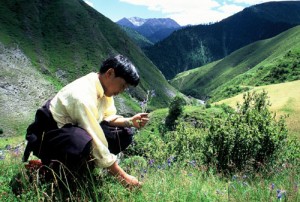
Sources: NCI — Cancer therapy interactions with foods and dietary supplements; NCI — Popular diets, supplements and cancer; EMA — Clinical trial map.
Editorial review and source consultation: 17 October 2026. Educational information, not individual healthcare or benefits advice. Source checking does not certify a new specialist clinical validation.