
Prevention and early detection
Reducing excessive exposure to ultraviolet radiation is a central part of preventing cutaneous melanoma. This does not mean giving up outdoor life, but planning activities and combining several protective measures. Individual characteristics and family history also affect risk: no habit, sunscreen or examination can guarantee that melanoma will never develop.
Primary prevention aims to limit modifiable factors, especially UV exposure from the sun and tanning beds. Early detection instead aims to recognise a lesion at an early stage. These goals complement each other: sun protection does not replace attention to skin changes, and a dermatological examination does not make subsequent sunburn harmless.
This page is the starting point for the pathway. Its child pages explain everyday sun protection, the UV index, sunscreens, UV-protective clothing and hats, sunglasses and interpretation of WHO/IARC data. Understanding your risk factors also helps adapt the advice to your situation.
Planning time outdoors
The hours around solar noon deserve particular attention, but a fixed interval such as “12 to 4 pm” does not apply equally to every season and location. The UV index is a better guide: protective measures are recommended from 3 upwards. A cool or cloudy day can still have high UV levels, and water, sand and snow can increase exposure through reflection.
Choose shade, clothing that covers the skin and an appropriate hat; protect your eyes and apply sunscreen to uncovered areas. Shade reduces exposure but does not eliminate scattered and reflected radiation. The first days of a holiday should not become training for sunburn: redness is not a necessary step towards tanning.
High-SPF sunscreen does not block all UV radiation or make intentional tanning safe. Pigmentation can develop despite sunscreen, but this is not a goal to pursue by spending longer in the sun. General advice includes broad-spectrum UVA/UVB protection, SPF at least 30 and water resistance when swimming or sweating.
Children: protection and shared habits
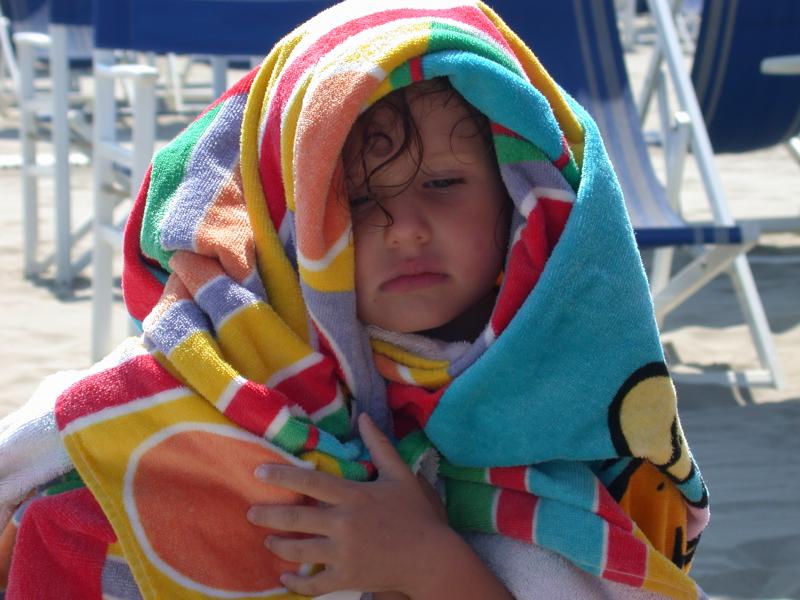
Sunburn in childhood and adolescence matters in a person’s risk history. Adults should therefore plan protection rather than relying on a child to notice that their skin is burning. Arrange shaded play and breaks, choose periods with lower UV levels and use covering clothing, a hat and age-appropriate sunglasses.
Newborns and babies under six months should be kept out of direct sunlight; discuss any sunscreen use with their paediatrician. For older children, apply the product to exposed areas as directed and reapply after swimming, sweating and towelling, as well as at regular intervals. A UV-protective swim shirt can make protection easier but does not cover the entire body.
Being in water does not protect against UV radiation, and feeling cool may mask exposure. Alternating swimming, rest and shade is more useful than a universal rule about the number of swims allowed. Do not cover a pushchair with material that obstructs ventilation: sun protection and prevention of overheating need to work together.
Work, sport and prolonged outdoor activity
People working in construction, agriculture, road maintenance or other outdoor settings cannot always choose when exposure occurs. Protection should be part of work organisation: shaded rest areas, scheduling and task rotation where possible, clothing compatible with the activity and head protection. Removing a shirt because it is hot increases exposed skin; clothing should provide coverage while also addressing heat risk.
The same principles apply to sports and hiking, with attention to sweat, friction, altitude and duration. Sunscreen should be available and reapplied; a morning application does not automatically cover an entire shift or excursion. People with bald or thinning areas also need to protect their scalp.
This general advice does not replace workplace risk assessment. If you take photosensitising medicines or have a skin condition, a clinician can help define specific precautions without independently stopping treatment.
Avoiding artificial tanning
Sunlamps and tanning beds emit UV radiation and increase skin cancer risk. The recommendation is to avoid them for tanning, not simply to reduce the number of sessions. No annual allowance should be presented as safe, and tanning beds do not safely prepare the skin for holiday sunlight.
Percentages from individual studies depend on age, exposure and the population studied: an isolated figure does not measure personal risk. Public measures to discourage tanning-bed use vary between countries and over time; they are not the criterion for deciding whether an exposure is safe. Discuss vitamin D concerns with a clinician rather than using artificial UV radiation.
Self-examination, dermoscopy and personalised checks
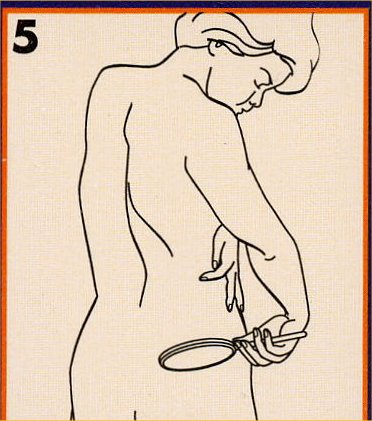
Getting to know your skin helps you notice a new lesion or one that differs from the others. Skin self-examination should include less visible areas, the scalp, palms, soles and nails. The ABCDE rule is helpful, but a growing nodule or changing lesion does not need to meet every criterion to deserve attention.
Do not wait for a fixed four-month interval if you notice a suspicious change. Report it to a clinician and arrange assessment. The frequency of self-examination and appointments should reflect personal history; people with previous melanoma, many moles, family history or immunosuppression may need a specific pathway.
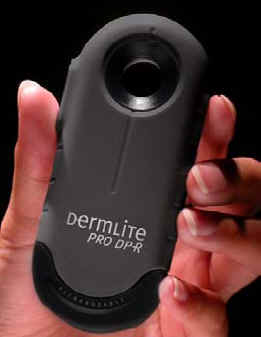
Dermoscopy allows examination of structures that cannot be seen with the naked eye. In selected cases, photographs and digital images help comparison over time. Not every lesion needs photography or removal: suspicious lesions require a dermatologist’s decision and, when indicated, histological examination. No check permanently excludes the development of new lesions.
Sources and update
- WHO — Ultraviolet radiation
- American Academy of Dermatology — Sunscreen FAQs
- NCI — Skin Cancer Prevention (PDQ)
- FDA — Should you put sunscreen on infants?
Editorial revision: 17 October 2026. Educational information that does not replace medical assessment.