How it works and what it does not do
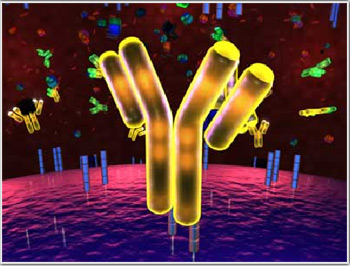
Ipilimumab, marketed as Yervoy, is a monoclonal antibody targeting CTLA-4, a regulator of the immune response. Blocking it can promote lymphocyte activity against the tumour. It is neither conventional cytotoxic chemotherapy nor a vaccine, and it does not select a BRAF mutation as its target.
The ability to reactivate an antitumour response also carries a risk of inflammation in healthy tissues. “Immunotherapy” therefore does not mean treatment without important adverse effects. Before starting, discuss autoimmune disease, transplantation, immunosuppressive medication and other relevant health issues with the oncology team.
Sources for this section: EMA — Yervoy: indications, product information and leaflet; National Cancer Institute — Melanoma Treatment (PDQ), health professional version.
From the original trial to current choices
Hodi and colleagues’ 2010 trial demonstrated a survival benefit in previously treated metastatic melanoma and helped change treatment history. It is an important historical reference, but does not by itself describe today’s therapeutic landscape. Indications should not automatically be restricted to people previously given chemotherapy, as older descriptions sometimes suggested.
Today ipilimumab may form part of advanced-melanoma treatment alone or with nivolumab according to the indication. Anti-PD-1 medicines and combinations have changed initial treatment choices. Ten-year CheckMate 067 results show the possibility of durable benefit in some patients without guaranteeing an individual response or making the combination suitable for everyone.
Sources for this section: Hodi et al. — Ipilimumab, randomized phase 3 (2010); Wolchok et al. — CheckMate 067, final 10-year outcomes (2024/2025); ESMO — Cutaneous melanoma: Clinical Practice Guideline (2024/2025); EMA — Yervoy: indications, product information and leaflet.
Immune-mediated effects: report them early
Diarrhoea or abdominal pain, blood in stools, jaundice, substantial rash, cough or breathlessness, severe fatigue, unusual headache and vision changes require prompt contact with the team. The bowel, liver, skin, lungs and endocrine glands may be affected, as may other organs. Some toxicities develop after treatment has ended.
The team determines investigations, possible interruption and treatment of adverse effects, which may include corticosteroids or other immunosuppressants. Do not wait for a scheduled appointment when symptoms are new or worsening; in an emergency, seek emergency care and explain which immunotherapy you received. Do not independently change treatment, and retain your treatment documentation.
Sources for this section: EMA — Yervoy: indications, product information and leaflet; EMA — Opdivo: indications and product information.
Neoadjuvant use, combinations and research
Nivolumab–ipilimumab before surgery has specific evidence, including NADINA. Italy has an AIFA pathway under Law 648/1996 with defined criteria: this does not mean prescribing it indiscriminately before any operation. The surgical plan and subsequent decisions must remain coordinated by the centre.
Concurrent ipilimumab–vemurafenib should not be revived as a promising routine treatment: the early study reported hepatotoxicity. New combinations, doses or sequences require their own evidence. When offered in a trial, they must be presented as experimental with a protocol, alternatives and consent; approval of the individual medicines does not automatically make a combination standard.
Sources for this section: Blank et al. — NADINA, phase 3, NEJM (2024); AIFA — Nivolumab + ipilimumab, neoadjuvant treatment, Law 648/1996 (17 November 2025); Ribas et al. — Hepatotoxicity with vemurafenib + ipilimumab (2013); National Cancer Institute — Participate in Cancer Treatment Trials.
Sources and update
- EMA — Yervoy: indications, product information and leaflet
- National Cancer Institute — Melanoma Treatment (PDQ), health professional version
- Hodi et al. — Ipilimumab, randomized phase 3 (2010)
- Wolchok et al. — CheckMate 067, final 10-year outcomes (2024/2025)
- ESMO — Cutaneous melanoma: Clinical Practice Guideline (2024/2025)
- EMA — Opdivo: indications and product information
- Blank et al. — NADINA, phase 3, NEJM (2024)
- AIFA — Nivolumab + ipilimumab, neoadjuvant treatment, Law 648/1996 (17 November 2025)
- Ribas et al. — Hepatotoxicity with vemurafenib + ipilimumab (2013)
- National Cancer Institute — Participate in Cancer Treatment Trials
Editorial revision and source consultation: 17 October 2026. Study dates distinguish current evidence from historical documents. This date does not certify specialist clinical review.